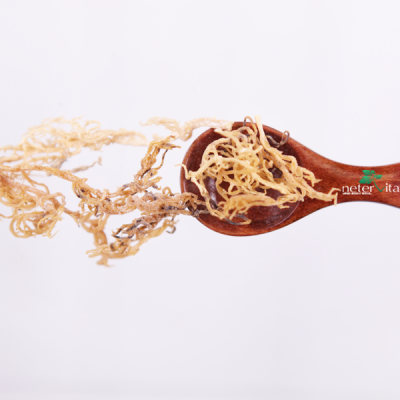

Catnip, scientifically known as Nepeta cataria, is a plant from the mint family, originating from Europe and Asia before spreading throughout the world. Historically, catnip was used in traditional medicine for its sedative effects in humans and was consumed as a tea to soothe ailments like insomnia, anxiety, and digestive issues.
Modern scientific research has identified several potential health benefits of catnip. It contains nepetalactone, a compound that is responsible for the plant’s sedative effects. This compound may help to relieve insomnia and anxiety by promoting relaxation and inducing sleep.
Catnip is also known for its carminative properties, which can help to alleviate digestive issues like bloating, indigestion, and flatulence. This is attributed to its content of various bioactive compounds, including flavonoids, terpenes, and tannins, which can help to relax the muscles of the gastrointestinal tract.
Furthermore, catnip has been found to have anti-inflammatory properties, which can be beneficial for conditions characterized by inflammation. It contains various antioxidants that can help to reduce oxidative stress in the body, further contributing to its anti-inflammatory effects.
Finally, catnip is well-known for its insect-repellent properties. The nepetalactone in catnip has been found to be effective in repelling various insects, including mosquitoes and ticks. While more commonly known for its effects on cats, causing them to exhibit behaviors ranging from jumping to rolling, these effects do not appear to translate to humans.

Related products
-
Lemongrass (Organic)
Price range: £6.99 through £34.95 Select options This product has multiple variants. The options may be chosen on the product page -
Goats Rue (Organic)
Price range: £4.48 through £22.40 Select options This product has multiple variants. The options may be chosen on the product page -
Bay Leaf (Organic)
Price range: £12.60 through £63.00 Select options This product has multiple variants. The options may be chosen on the product page -